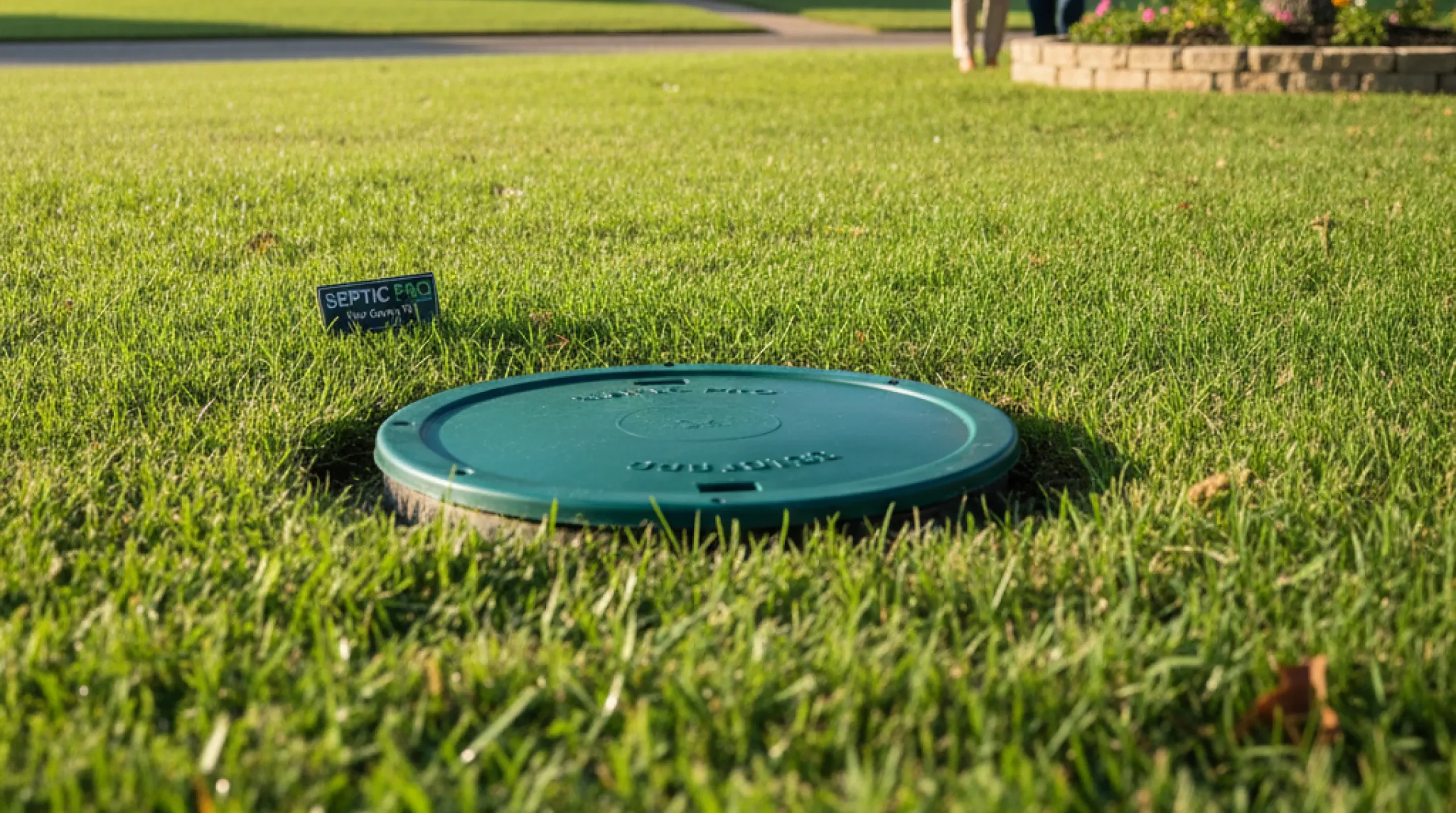
What Is a Septic System and How Does It Work?
A septic system serves as an on-site wastewater treatment solution for properties not connected to municipal sewer lines. In Montgomery County, where many homes and businesses rely on these underground systems, understanding how they function is the first step toward proper care and longevity.
Your system typically consists of a tank that receives household wastewater, allowing solids to settle at the bottom while lighter materials float to the top. The middle layer of clarified liquid flows into a drainfield where soil naturally filters it before returning to the groundwater. This process depends on a delicate balance of bacteria, proper flow rates, and regular attention to prevent backups or failures.
The sandy clay soils common throughout Montgomery County can affect drainage patterns, making professional site evaluation essential during installation. High water tables during spring months can also stress drainfields, particularly in low-lying areas near creek beds. These local conditions mean that systems here require careful monitoring and timely intervention to avoid costly repairs.
Many property owners underestimate the importance of routine service until warning signs appear. Slow drains, unpleasant odors near the tank or drainfield, and standing water in the yard all indicate problems that need immediate attention. Addressing these issues early prevents system failure and protects your investment in your property.
The Critical Role of Scheduled Pumping
Regular pumping stands as the single most important maintenance task for any septic system. Over time, solids accumulate in the tank and reduce its effective capacity. Without removal, these solids can overflow into the drainfield, causing permanent damage that requires expensive replacement of the entire absorption area.
Most residential systems need pumping every three to five years, though households with larger families, garbage disposals, or older tanks may require more frequent service. Commercial properties with grease traps often need monthly or quarterly attention depending on usage volume. Establishing a schedule based on your specific situation prevents emergencies and extends system life.
During a pumping visit, technicians should also inspect the tank for cracks, check baffles and filters, measure sludge levels, and evaluate the condition of access lids. These inspections catch developing problems before they become failures. A thorough service provider will document findings and recommend repairs or adjustments to your maintenance schedule as needed.
Montgomery County experiences heavy rainfall during spring and fall, which can temporarily raise groundwater levels and stress drainfields already compromised by delayed pumping. Scheduling service before rainy seasons helps ensure your system handles the extra load. Keeping records of service dates and findings also proves valuable when selling property or troubleshooting recurring issues.
Symptoms That Demand Immediate Attention
Identifying problems early can save thousands of dollars in repair costs and prevent health hazards on your property. Certain symptoms indicate your system needs professional evaluation, and ignoring them typically leads to more severe complications.
Slow draining fixtures throughout your home suggest the tank has reached capacity or a blockage has developed in the outlet pipe. While a single slow drain might indicate a localized plumbing issue, multiple affected fixtures point to the septic system. Gurgling sounds in pipes when running water or flushing toilets also signal air displacement caused by restricted flow.
Foul odors near the tank, drainfield, or inside the home indicate gases are escaping where they should not. Properly functioning systems contain these smells underground. Sewage odors mean something has failed, whether a broken seal, a saturated drainfield, or a full tank backing up into the house.
Bright green grass or standing water over the drainfield reveals that wastewater is surfacing instead of absorbing into the soil. This creates both an environmental hazard and a potential health risk. In our area, where summer heat can stress lawns, an unusually lush patch over the absorption area stands out as a clear warning sign.
Some property owners in rapidly growing neighborhoods notice problems after nearby construction changes drainage patterns or increases groundwater levels. These external factors can overwhelm a previously adequate system. Professional assessment determines whether you need repairs, upgrades, or modifications to handle changed conditions.
Daily Habits That Extend System Lifespan
Protecting your investment starts with daily habits that reduce strain on the system. What you send down drains directly affects how well the tank processes waste and how long components last before needing replacement.
Avoid flushing anything other than human waste and toilet paper. Products labeled flushable, including wipes and feminine hygiene items, do not break down quickly enough and contribute to clogs and premature tank filling. Paper towels, dental floss, medications, and chemicals kill beneficial bacteria that digest solids in the tank.
Limit garbage disposal use or eliminate it entirely. Food scraps add significant solid volume to the tank and accelerate the need for pumping. Grease, fats, and oils should never enter the system, as they solidify and create blockages or coat drainfield soil, preventing proper absorption. Commercial properties with kitchens must maintain grease traps with appropriate pumping schedules.
Distribute water use throughout the week rather than concentrating laundry and heavy water activities on a single day. Septic systems need time to process wastewater, and overwhelming them with large volumes at once can push untreated water into the drainfield. High-efficiency fixtures and appliances reduce overall water consumption and extend system life.
Protect the drainfield from vehicle traffic and heavy equipment. Compacted soil cannot absorb wastewater effectively. Avoid planting trees or deep-rooted shrubs near the tank or absorption area, as roots seek moisture and can damage pipes or infiltrate the tank through cracks. Grass provides the best cover for drainfields.
Keep detailed records of pumping dates, inspection findings, and any repairs performed. This documentation helps service providers understand your system’s history and make informed recommendations. It also adds value when selling your property, demonstrating responsible ownership and proper care.
When to Call Trained Technicians
While homeowners can monitor their systems and practice good habits, professional service remains essential for proper maintenance and repairs. Trained technicians possess the equipment, knowledge, and experience to address issues safely and effectively.
Camera inspections reveal the interior condition of tanks and pipes without excavation. This technology identifies cracks, failed baffles, root intrusion, and blockages that visual inspections cannot detect. Understanding exactly what has failed allows for targeted repairs rather than guesswork that wastes time and money.
Aerobic systems require specialized knowledge for component testing, control panel troubleshooting, and maintenance scheduling. These advanced systems use mechanical components and require electricity, adding complexity that conventional systems do not have. Filter cleaning, timer adjustments, and air pump maintenance must follow manufacturer specifications to maintain warranty coverage and proper function.
Design and permitting for new installations or system replacements require understanding local soil conditions, setback requirements, and county regulations. Montgomery County has specific standards for septic systems, and professional evaluation ensures compliance. Site and soil analysis determines the appropriate system type and size for your property and household needs.
With years of combined construction and septic experience, the team at our New Caney location provides dependable service for both residential and commercial properties. Whether you face clogs, backed-up tanks, or need a complete system installation, working with knowledgeable professionals who understand local conditions and regulations protects your property investment. Our family-run approach means you receive personalized attention and honest recommendations based on what your system actually needs, not unnecessary upsells.
Emergency situations like sewage backups require immediate response to protect your home and health. Establishing a relationship with a reliable service provider before emergencies occur ensures you have someone to call who already knows your system. Regular maintenance visits build this relationship and often prevent emergencies altogether.