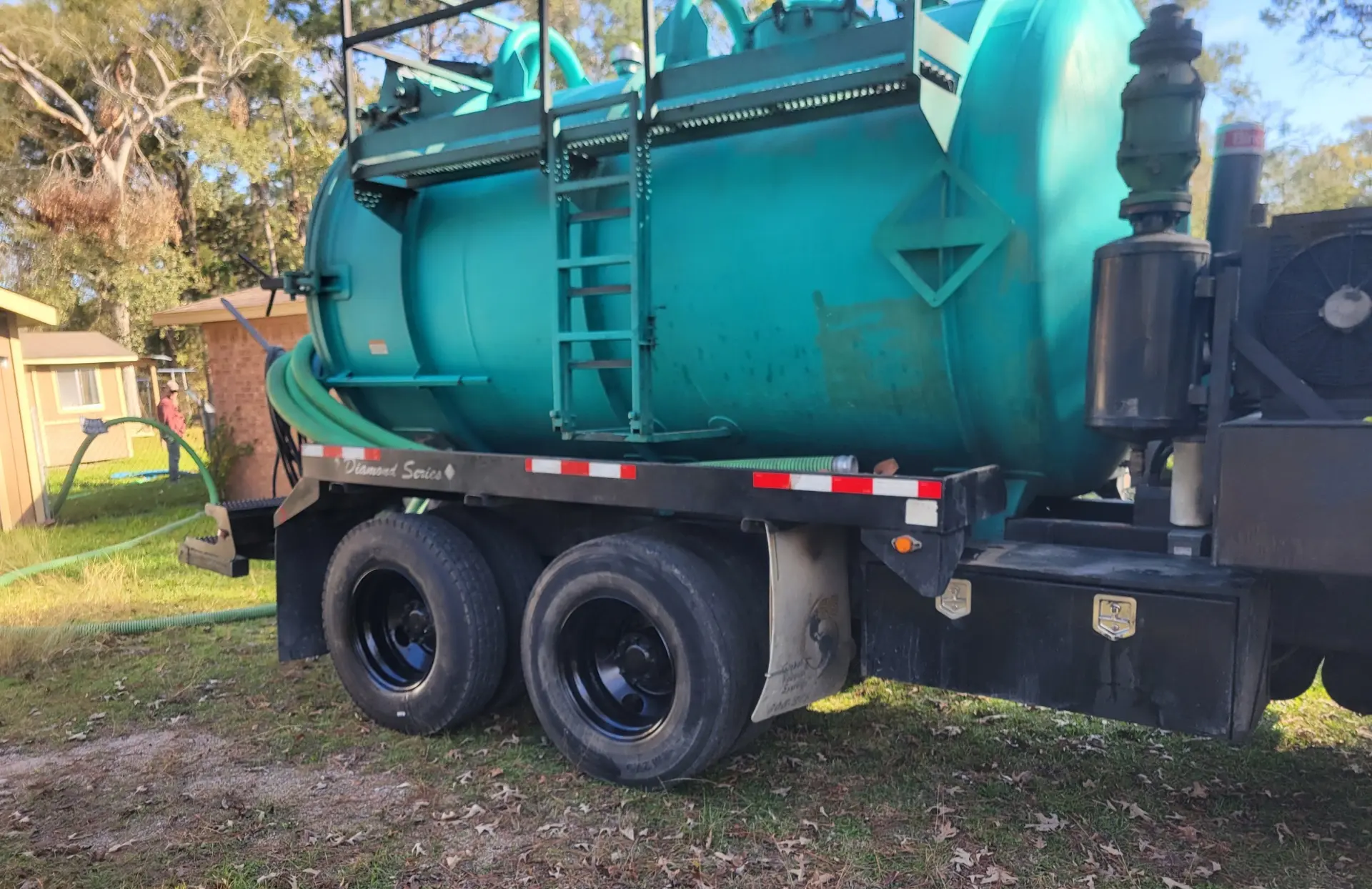
What Determines Your Septic Tank Pumping Cost
The typical septic tank pumping cost in New Caney, TX ranges from $275 to $550 for most residential properties, with the average homeowner paying around $375 for a standard 1,000-gallon tank. This price point reflects both the competitive market throughout Montgomery County and the specific service requirements of our region.
Several factors directly influence what you will pay for septic tank pumping services in our area. Tank size remains the primary cost driver: a 750-gallon tank may cost $250 to $350, while larger 1,500-gallon systems commonly found on properties with four or more bedrooms typically run $450 to $650. Accessibility plays a significant role as well. Tanks located close to the driveway with easily removable lids cost less to service than those requiring extensive digging or located in heavily landscaped areas.
In New Caney, the dense clay soil composition adds another consideration. Clay retains moisture and can create challenging drainage conditions, which means technicians often encounter tanks that are fuller than expected or surrounded by saturated ground, particularly after our intense spring rainfall periods. This may extend service time slightly and affect final pricing.
Additional services that impact the total septic pumping cost include filter cleaning (typically $50 to $75), inspection camera work to assess pipe condition ($150 to $300), and any necessary repairs identified during the pump-out. When you schedule septic services, ask whether the quoted price includes filter maintenance and a basic visual inspection, as these additions provide significant value and help identify small issues before they become expensive emergencies.
How Often Should You Schedule Pumping Service
Most residential septic tanks in New Caney require pumping every three to five years, but your specific household usage patterns determine the actual interval your system needs. A family of four using a 1,000-gallon tank typically falls into the three-year cycle, while a couple with a 1,250-gallon system might comfortably extend to five years between services.
The calculation depends on three variables: tank capacity, household size, and water usage habits. Higher water consumption accelerates the rate at which solids accumulate in your tank. Homes with teenagers taking long showers, frequent laundry cycles, or older, less efficient appliances fill their tanks faster than households practicing water conservation.
Garbage disposal use significantly impacts pumping frequency. Grinding food waste and sending it into your septic system can cut the time between necessary pump-outs by a full year or more. The solids layer builds up faster, reducing the effective capacity of your tank and increasing the risk of system backup.
During an initial inspection, technicians measure the sludge and scum layers in your tank to establish a baseline. This measurement reveals whether your current pumping interval matches your household’s actual needs. We have found that many New Caney homeowners who purchased properties with existing systems are following the previous owner’s schedule, which may not suit their family size or habits. A proper assessment sets a custom interval that prevents both overpaying for unnecessary service and the much costlier consequences of waiting too long.
Establishing the right schedule transforms septic tank pumping from an unpredictable expense into a manageable line item in your home maintenance budget. Consistent timing also allows you to coordinate with other seasonal property care tasks and potentially schedule during off-peak periods when septic system maintenance services may offer better availability.
Warning Signs Your Tank Needs Immediate Pumping
Certain symptoms indicate your septic tank needs immediate pumping regardless of your scheduled interval. Slow-draining sinks, tubs, and toilets throughout your home often signal a tank nearing capacity. When multiple fixtures drain sluggishly at once, the problem likely originates in the septic system rather than individual pipe clogs.
Sewage odors near the tank location or inside your home represent a clear warning that demands prompt attention. These smells indicate gases escaping from an overfull system or, in some cases, a backup beginning to develop. In New Caney’s humid climate, these odors can intensify during summer months when high temperatures accelerate decomposition processes within the tank.
Standing water or unusually lush grass growth above the drain field suggests effluent is surfacing rather than percolating through the soil properly. Our area’s clay-heavy soil already challenges drainage, so when you notice persistent wet spots in the drain field area, especially during dry weather, your tank has likely exceeded capacity and requires immediate pumping.
Gurgling sounds from toilets or drains when you run water elsewhere in the house indicate air displacement in your plumbing system caused by restricted flow. This often precedes a complete backup and should prompt an immediate call for emergency septic services.
The spring season in Montgomery County brings heavy rainfall that saturates the ground and can overwhelm an already-full septic tank much faster than during drier months. Many homeowners who have stretched their pumping interval discover problems during March through May when prolonged rain events stress systems that were managing adequately under normal conditions. Scheduling pumping before the rainy season provides a buffer against these weather-related complications.
Local Factors in New Caney That Impact Your Costs and Schedule
Understanding the long-term financial picture of septic ownership helps you make informed decisions about maintenance timing and service levels. A homeowner pumping their tank every three years at $375 per service invests $1,125 over a nine-year period. Compare that to the $3,000 to $7,000 cost of drain field repair or the $15,000 to $25,000 expense of complete system replacement, and the value of preventive pumping becomes immediately clear.
Many septic system installers and service providers offer maintenance contracts that bundle regular pumping with annual inspections and priority emergency response. These plans typically cost $400 to $600 annually and remove the burden of remembering to schedule service. For New Caney homeowners managing busy schedules, a maintenance agreement ensures your system receives attention at optimal intervals regardless of other demands on your time.
Payment timing also affects your annual budget. Rather than facing a surprise $400 expense when your system shows warning signs, scheduled maintenance allows you to plan the cost into your household budget months in advance. Some service providers offer seasonal discounts during slower winter months, which can reduce your per-service cost by 10 to 15 percent.
The connection between pumping frequency and system longevity deserves emphasis. Septic systems properly maintained through regular pumping routinely function for 25 to 30 years. Systems neglected until problems emerge often require major repairs within 15 years. The incremental cost of regular septic tank pumping services pays dividends by extending the functional life of your entire system and protecting your property value.
When evaluating service providers, consider the full scope of what different companies offer. Basic pumping alone addresses immediate capacity issues, but inspections during service visits identify developing problems with baffles, filters, and tank integrity. Early detection of a cracked baffle might cost $200 to repair during a scheduled visit, while ignoring the same issue until it causes a backup could result in $1,500 in emergency repairs and cleanup.
Working with a service provider familiar with Montgomery County’s soil conditions, local regulations, and typical residential system configurations adds value beyond the pump-out itself. Technicians who regularly service septic systems in New Caney understand how our clay soil affects drain field performance and can spot early indicators of problems specific to our area. When you establish a relationship with one provider, they maintain service records that track your tank’s performance over time and can adjust pumping intervals based on observed patterns rather than generic recommendations.
Taking a proactive approach to septic system maintenance protects both your immediate budget and your long-term investment in your property. If your system has not been inspected recently or you are uncertain about its current condition, schedule an evaluation to establish a custom maintenance schedule. Contact us to arrange a thorough assessment that identifies your tank’s specific needs and creates a cost-effective pumping plan suited to your household and property.
Making Septic Maintenance Predictable and Affordable
New Caney’s specific environmental conditions directly affect both septic tank pumping cost and maintenance frequency in ways homeowners must account for. The area’s heavy clay soil composition slows drainage and percolation rates, meaning your drain field works harder to disperse wastewater, which in turn causes solids to accumulate faster in the tank itself. During our wet season from April through June, when the region regularly receives four to six inches of monthly rainfall, saturated soil compounds this challenge, often requiring properties with marginal drain field performance to pump six months earlier than their standard schedule.
Most New Caney residential properties operate 1,000 to 1,250-gallon concrete tanks installed in the 1990s and early 2000s, a size adequate for typical family usage but vulnerable to overload during extended guest visits or holiday gatherings. Local households running water softeners, a near-necessity given the area’s hard groundwater, introduce additional sodium and backwash volume that accelerates tank filling. Properties along FM 1485 and near the Lake Houston area face higher water tables that further limit drain field capacity, particularly in low-lying lots where seasonal flooding has occurred.
Understanding these regional variables helps you anticipate your actual costs rather than relying on statewide averages. A New Caney property with clay soil, a water softener, and four occupants will likely require pumping every three years rather than the often-cited five-year interval, translating to $375 every 36 months instead of $375 every 60 months, a meaningful difference in annual operating cost. We perform septic system maintenance services that account for these local soil and water conditions, tailoring pump schedules to your property’s specific drainage characteristics rather than applying generic formulas.
Seasonal demand also influences availability and sometimes pricing in the New Caney market. Spring months see elevated service requests as homeowners address issues that surfaced during winter holiday usage or prepare systems before summer activity. Scheduling your pumping during fall or early winter often provides more flexible appointment windows and occasionally modest cost savings. The local market for septic services remains competitive, but properties requiring weekend or emergency septic services calls will pay premium rates, typically $150 to $250 above standard weekday pricing, making proactive scheduling a straightforward cost-control measure.