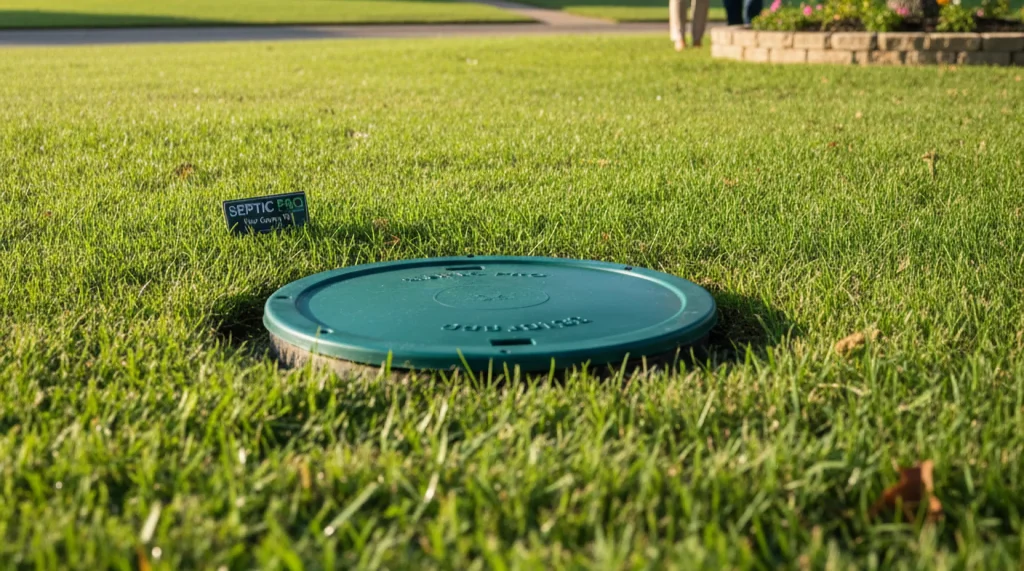
For many homeowners, septic systems quietly handle wastewater every day without much thought, until something goes wrong. Understanding how septic systems work is important for protecting your property, avoiding expensive repairs, and maintaining a safe and efficient wastewater system.
Unlike homes connected to municipal sewer systems, septic systems treat and dispose of wastewater directly on your property. When properly maintained, a septic system can last for decades. However, neglect, improper use, or missed maintenance can lead to backups, unpleasant odors, and costly system failures.
In this guide, we’ll explain septic system basics, discuss how to maintain a septic system, review septic system best practices, and answer the important question: how often should a septic system be serviced?
Septic System Basics: Understanding How the System Works
Before learning how septic systems work, it helps to understand the basic components involved.
A septic system is an underground wastewater treatment system designed to process water from your home, including waste from sinks, showers, toilets, washing machines, and dishwashers.
Most systems include three major parts:
- Septic tank
- Distribution system
- Drain field (leach field)
Each component plays an important role in treating wastewater safely.
1. The Septic Tank
The septic tank is typically a large underground container made from concrete, fiberglass, or plastic.
When wastewater enters the tank, solids settle at the bottom and form sludge, while oils and grease float to the top as scum.
The middle layer—called effluent—contains partially treated wastewater that moves to the next stage of treatment.
Inside the tank, naturally occurring bacteria begin breaking down waste materials.
2. The Distribution System
Once wastewater leaves the septic tank, it enters the distribution system.
This component directs wastewater evenly into the drain field to prevent oversaturation and ensure proper soil absorption.
A balanced distribution process is essential for effective treatment.
3. The Drain Field
The drain field is where final wastewater treatment occurs.
Effluent moves through underground pipes into specially prepared soil areas. The soil naturally filters contaminants, removes harmful bacteria, and completes the treatment process before water safely returns to the environment.
When functioning properly, this system safely handles wastewater with minimal homeowner involvement.
Understanding these septic system basics makes it easier to see why maintenance matters.
How Septic Systems Work Step by Step
To fully understand how septic systems work, let’s break the process into simple stages.
Step 1: Wastewater Leaves the Home
Every time you flush a toilet, wash dishes, shower, or run laundry, wastewater exits your home through plumbing pipes.
This wastewater flows into the septic tank.
Step 2: Waste Separation Happens in the Tank
Inside the septic tank:
- Heavy solids sink to the bottom
- Oils and grease float to the top
- Liquid wastewater remains in the middle layer
Bacteria help break down organic materials, reducing waste buildup.
Step 3: Effluent Moves to the Drain Field
Once partially treated, liquid wastewater exits the tank and enters the drain field.
This stage distributes wastewater gradually to prevent flooding or system overload.
Step 4: Soil Finishes the Treatment Process
The soil acts as a natural filter, removing contaminants and harmful bacteria before clean water returns underground.
This process protects groundwater and helps keep the surrounding environment safe.
Knowing how septic systems work helps homeowners understand why careful maintenance is so important.
How to Maintain a Septic System
Learning how to maintain a septic system is one of the best ways to prevent major repairs and extend system lifespan.
Routine care helps reduce strain on the tank and drain field while improving overall efficiency.
1. Pump the Septic Tank Regularly
Septic tanks fill with sludge over time.
If solids build up too much, they can overflow into the drain field and create serious problems.
Routine pumping removes accumulated waste and helps prevent system damage.
2. Use Water Efficiently
Too much water entering the system at once can overwhelm treatment capacity.
Simple ways to reduce strain include:
- Fixing leaks quickly
- Using water-efficient fixtures
- Spacing out laundry loads
- Limiting excessive water use
Water conservation improves system performance and protects the drain field.
3. Watch What Goes Down the Drain
Your septic system is designed to process wastewater—not household debris.
Avoid flushing or draining:
- Grease and cooking oil
- Paper towels
- Feminine hygiene products
- Wipes (even “flushable” ones)
- Harsh chemicals
- Paint or solvents
Improper materials can clog pipes and disrupt bacterial activity inside the tank.
4. Protect the Drain Field
The drain field plays a major role in wastewater treatment.
Avoid:
- Parking vehicles on the drain field
- Building structures over it
- Planting large trees nearby
- Excessive soil compaction
Damaging the drain field can lead to expensive repairs.
Following these practices is essential when learning how to maintain a septic system.
How Often Should a Septic System Be Serviced?
Many homeowners ask: how often should a septic system be serviced?
In general, septic systems should be professionally inspected: Every 1 to 3 years
Most septic tanks require pumping: Every 3 to 5 years
However, service frequency depends on several factors, including:
- Household Size: Larger households produce more wastewater and may require more frequent pumping.
- Tank Size: Smaller tanks fill more quickly.
- Water Usage Habits: Heavy water use can accelerate sludge buildup.
- Garbage Disposal Usage: Homes that frequently use garbage disposals often need more maintenance because extra solids enter the tank.
Understanding how often should a septic system be serviced helps homeowners stay proactive and avoid costly emergencies.
Septic System Care Tips for Long-Term Performance
Simple septic system care tips can help extend the life of your system and improve reliability.
1. Schedule Regular Inspections
Professional inspections help identify issues before they become serious.
Technicians can check:
- Sludge levels
- Tank condition
- Pipe integrity
- Drain field performance
2. Keep Maintenance Records
Track pumping schedules, inspections, and repairs.
This information helps guide future maintenance decisions.
3. Avoid Chemical Overuse
Harsh cleaners and chemicals can kill beneficial bacteria inside the tank.
Moderate use of cleaning products helps preserve system balance.
4. Divert Excess Water Away
Roof drainage and sump pumps should not flow toward the drain field.
Too much moisture can interfere with proper filtration.
These septic system care tips can significantly improve system performance over time.
Septic System Best Practices to Prevent Problems
Following septic system best practices helps reduce the risk of breakdowns and expensive repairs.
1. Don’t Ignore Warning Signs
Early problems often show warning signs, including:
- Slow drains
- Sewage odors
- Gurgling plumbing sounds
- Wet spots in the yard
- Sewage backups
Addressing these concerns quickly can help prevent larger failures.
2. Be Mindful of Landscaping
Tree roots can damage underground pipes and tanks.
Plant carefully around septic areas.
3. Educate Household Members
Everyone in the home should understand what can and cannot go down the drain.
Proper habits reduce unnecessary strain on the system.
4. Stick to a Maintenance Schedule
Preventive care is always less expensive than emergency repairs.
Consistent inspections and pumping help avoid avoidable damage.
Benefits of Proper Septic Maintenance
Routine maintenance provides several long-term benefits.
1. Longer System Lifespan
A properly maintained septic system may last for decades.
2. Reduced Repair Costs
Preventive maintenance helps avoid expensive emergency replacements.
3. Better Wastewater Efficiency
Healthy systems process wastewater more effectively.
4. Environmental Protection
Proper treatment reduces contamination risks for groundwater and nearby areas.
5. Fewer Household Disruptions
Reliable systems help avoid messy backups and drainage issues.
Final Thoughts
Understanding how septic systems work gives homeowners a better understanding of how wastewater is treated and why maintenance matters. Learning septic system basics, following septic system best practices, and knowing how to maintain a septic system can help prevent expensive problems while improving system efficiency.
Staying consistent with inspections and understanding how often should a septic system be serviced are important steps toward long-term reliability. By following practical septic system care tips, homeowners can extend system lifespan, improve performance, and protect both their property and the surrounding environment.